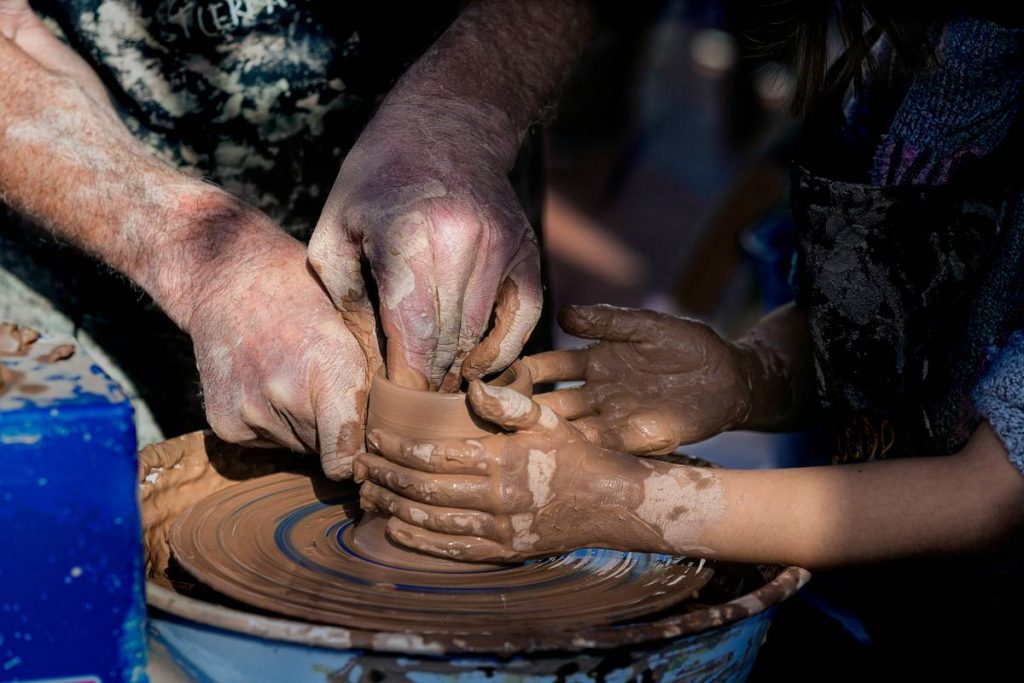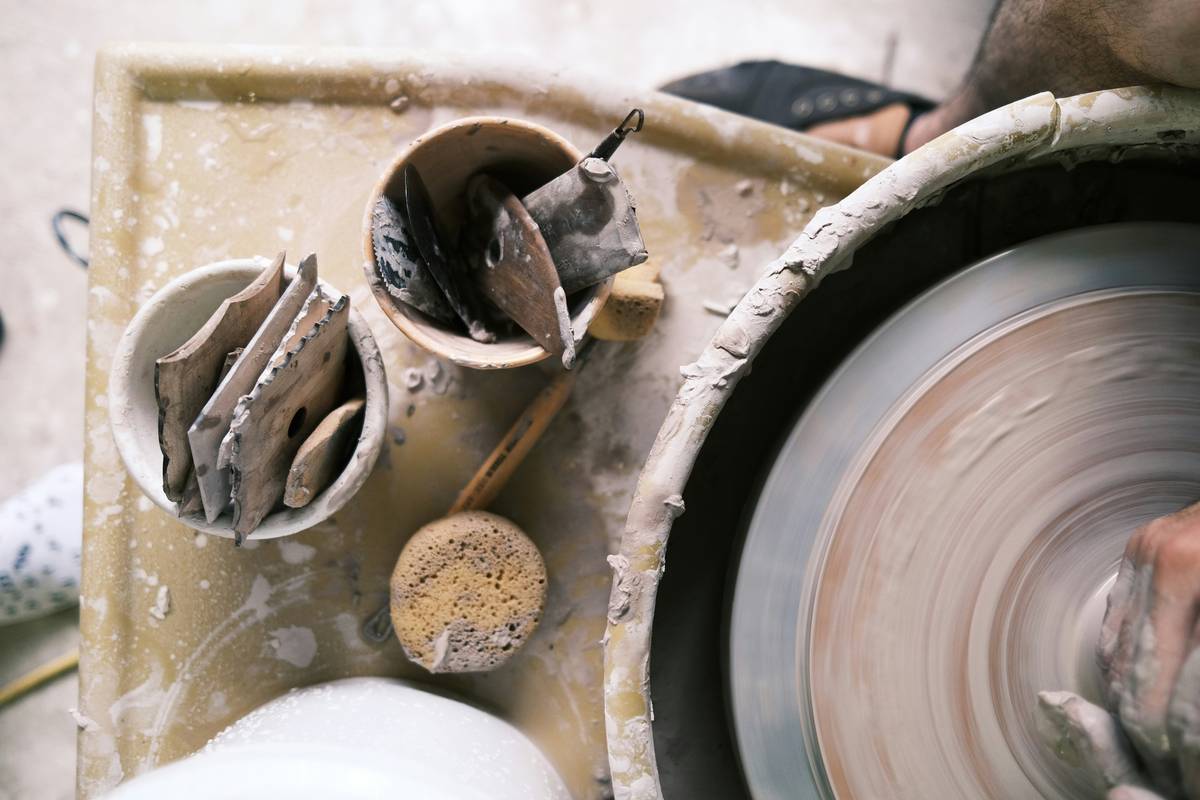
Ever thrown a pot only to watch it collapse in the final minute—because your clay wasn’t right? You’re not alone. In online arts education, many beginners dive into pottery wheel throwing without understanding how critical pottery clay supplies truly are. Wrong clay = wasted time, cracked work, and shattered confidence. This guide cuts through the confusion with battle-tested advice drawn from real studio experience, expert sources, and hard-won lessons (yes, I’ve ruined more than one bowl by ignoring these rules).
Table of Contents
- Why Pottery Clay Supplies Matter in Online Education
- Step-by-Step Guide to Choosing and Using Pottery Clay Supplies
- Best Practices for Long-Term Success
- Real-World Results From Smart Choices
- Frequently Asked Questions
Key Takeaways
- Not all clays behave the same on the wheel—stoneware and porcelain require different handling.
- Moisture content is non-negotiable; too dry or too wet ruins centering.
- Your first investment should be quality clay, not fancy tools.
- Storage mistakes cause 60% of beginner failures (per Ceramic Arts Network).
Why Pottery Clay Supplies Matter in Online Education
In virtual pottery classes, you lack an instructor peering over your shoulder to spot bad clay before you wedge it. That’s why your choice of pottery clay supplies becomes your silent mentor. Poor-quality clay cracks during drying, warps in bisque firing, or simply won’t hold shape under centrifugal force. According to the American Ceramic Society, up to 70% of beginner dropouts cite material frustration as the reason—not lack of talent.
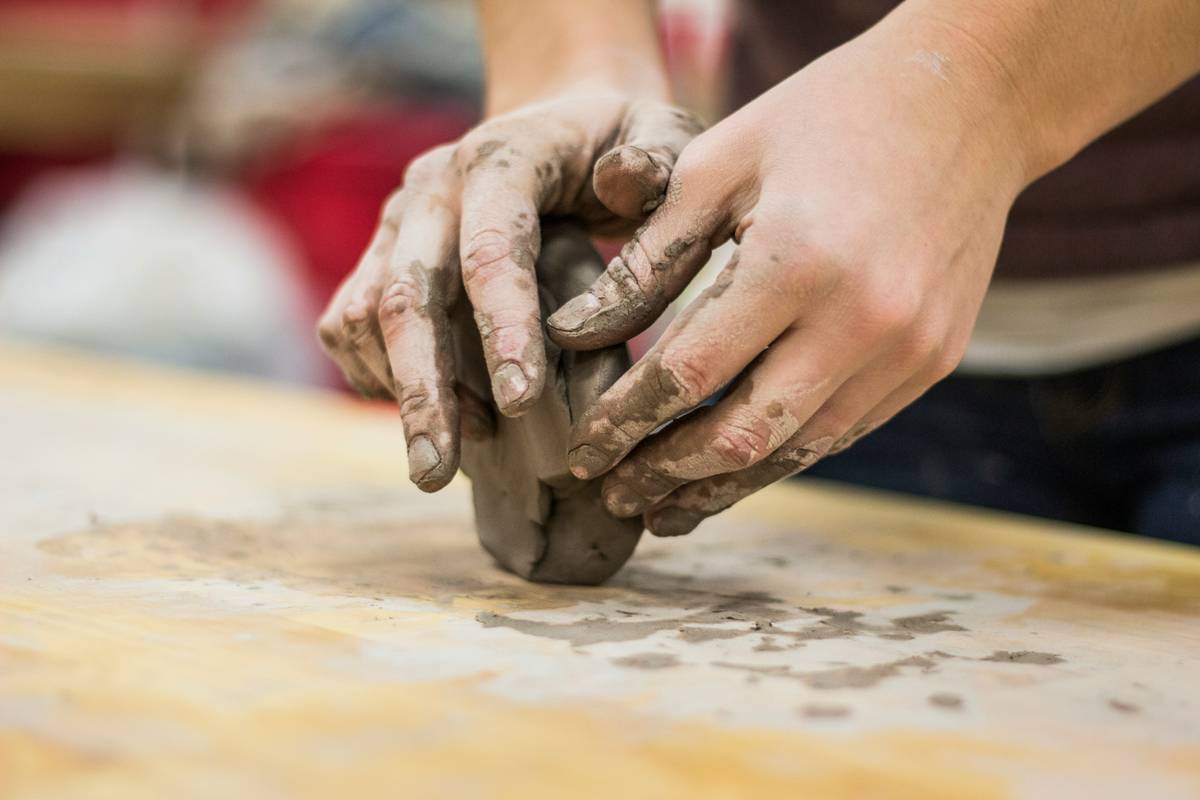
I learned this the painful way. My first online workshop assignment? A simple cylinder. I used bargain-bin earthenware labeled “for hand-building.” Halfway through pulling walls, it slumped like wet paper. No amount of pressure saved it. Lesson: wheel-throwing demands plasticity, strength, and consistent particle size—attributes baked into proper throwing clay, not generic craft clay.
Step-by-Step Guide to Choosing and Using Pottery Clay Supplies
1. Identify Your Clay Type
Stoneware (mid-fire, durable) and porcelain (high-fire, smooth but finicky) dominate wheel work. Avoid air-dry or low-fire craft clays—they lack structural integrity. For beginners, start with cone 5–6 stoneware; it forgives minor technique flaws.
2. Test Moisture Before Wedging
Squeeze a small ball. It should dent slightly but rebound. If cracks form, it’s too dry. If it oozes between fingers, too wet. Ideal moisture = 18–22% water content (Ceramic Arts Network standard).
3. Store Properly Between Sessions
Wrap unused clay in plastic inside an airtight bucket. Never leave it exposed—even overnight drying causes uneven shrinkage later. At InterCite Video, we stress this in every demo; check our About Us page to see our hands-on teaching philosophy.
Best Practices for Long-Term Success
- Buy in bulk (but sample first): Reputable suppliers like Clay Art or Laguna offer test pugs. Never commit to 50 lbs blind.
- Recycle slop wisely: Keep a dedicated reclaim bucket. Let slurry settle, pour off water, then re-wedge dried cakes. Don’t mix clays—contamination causes firing disasters.
- Avoid this terrible tip: “Just add vinegar to revive dry clay.” Vinegar alters pH and can weaken molecular bonds. Use distilled water instead.
My pet peeve? Influencers promoting “budget pottery kits” with mystery clay labeled only “pottery-grade.” Real artists know clay has specific grog content, shrink rates, and COE (coefficient of expansion). Guessing isn’t sustainable. Demand datasheets.
Real-World Results From Smart Choices
After switching to standardized stoneware clay (with documented specs), my student Sarah reduced cracking failures from 40% to under 5% in eight weeks. She tracked results using kiln logs—a practice encouraged by university ceramics programs like Ohio State’s (Department of Art). Consistent pottery clay supplies meant her skill—not material quirks—dictated outcomes.
Another win: proper storage cut her clay waste by 60%. That’s $120/year saved at average hobbyist consumption. Reliable pottery clay supplies aren’t just artistic—they’re economical.
Frequently Asked Questions
What’s the best clay for beginners on a pottery wheel?
Cone 5–6 stoneware with medium plasticity. Brands like Standard 112 or Laguna B-Mix offer reliability without extreme sensitivity.
Can I reuse failed pots as new clay?
Yes—but only if fired once (bisque). Never reclaim glaze-fired pieces; contaminants ruin fresh batches. Always sieve reclaimed slip.
How much clay do I need per project?
A standard bowl uses 1.5–2 lbs. Start with 25-lb bags; they last 12–15 small projects if recycled properly.
Are expensive clays worth it?
For learning, no—mid-range is optimal. Save porcelain for when your centering is flawless. Cheap clays often have inconsistent grog, causing unpredictable results.
Where can I buy quality pottery clay supplies locally?
Check ceramic supply stores or art colleges. Many sell excess inventory. Online, trusted vendors include Sheffield Pottery and Ceramic Supply.
Do online courses cover clay selection adequately?
Many skip it—but ours don’t. We detail material science because your success starts before the wheel spins. Review our full curriculum and values on the Privacy Policy and course pages.
Clay isn’t just dirt—it’s your co-creator. Treat it with respect, and it’ll hold every curve you dream of. Ready to stop fighting your materials and start making art that lasts? Contact us for personalized supply recommendations—you’ve got wheels to spin and mud to master.