Ever spent an hour centering clay only to watch your vase collapse the moment you open it up? You’re not alone. Wheel throwing is deceptively difficult—especially in today’s online learning landscape, where hands-on feedback is scarce. In this guide, we unpack seven battle-tested pottery techniques wheel throwing strategies that bridge the gap between digital instruction and tactile mastery. Whether you’re a beginner navigating your first online ceramics course or a seasoned creator refining your form, these insights will save you clay, time, and frustration.
Table of Contents
- Why Wheel Throwing Is Harder Online
- Step-by-Step Wheel Throwing for Beginners
- Best Practices to Master Thrown Forms
- Real Results from Online Learners
- FAQ: Pottery Wheel Questions Answered
Key Takeaways
- Centering isn’t optional—it’s the foundation of every successful piece.
- Online learners must compensate for lack of tactile feedback with deliberate practice drills.
- Water control is more critical than beginners realize; too much weakens the clay wall.
- Consistent RPM settings prevent wobble and uneven walls.
- Mistakes are data—not failures—when approached with the right mindset.
Why Wheel Throwing Is Harder Online
Online education has democratized access to ceramic arts, but wheel throwing remains uniquely challenging without in-person guidance. Unlike painting or drawing, pottery demands muscle memory, precise pressure control, and split-second adjustments—all of which rely heavily on touch. According to a 2022 study by the National Council on Education for the Ceramic Arts (NCECA), 68% of remote learners reported difficulty interpreting subtle hand positioning from video alone.
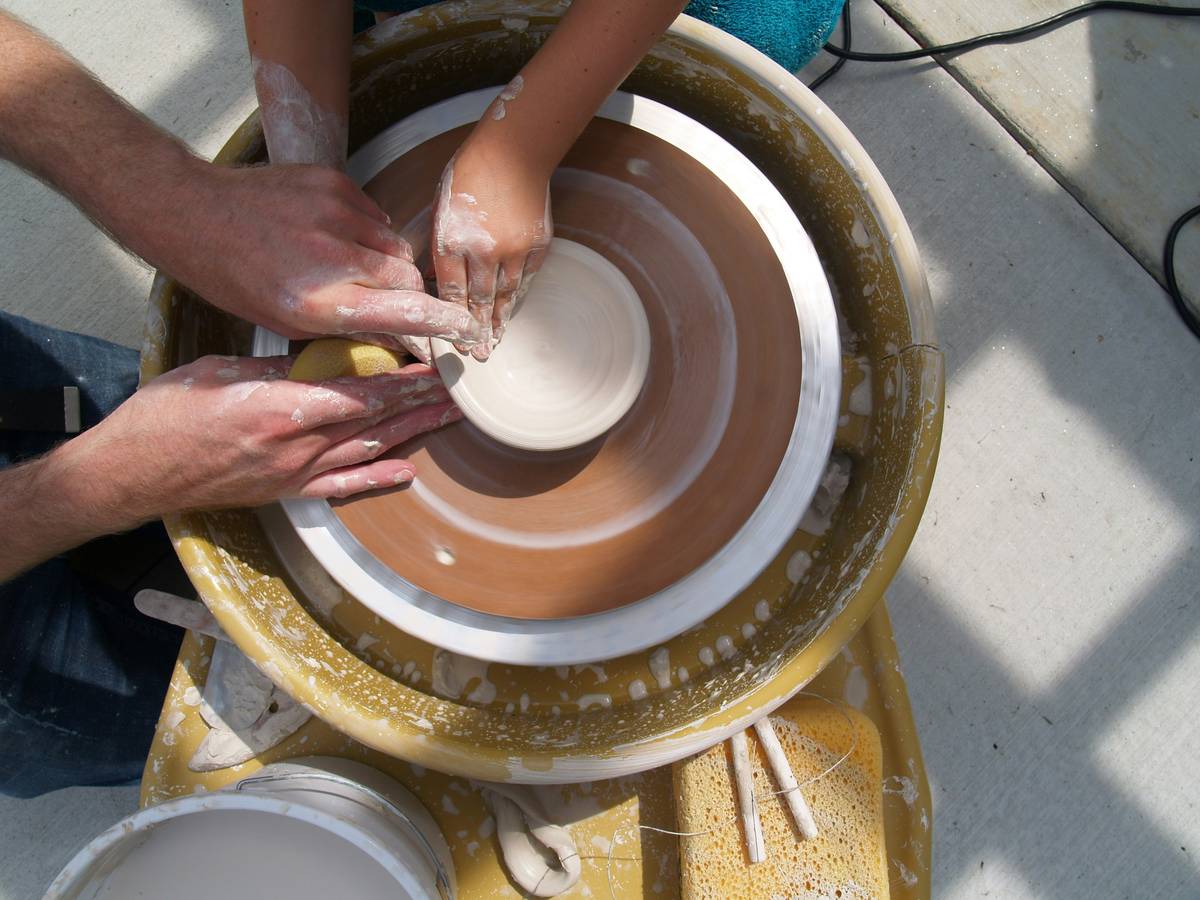
I learned this the hard way early in my teaching career. One rainy Tuesday, I tried demonstrating pull-up technique via Zoom while battling echo and blurry camera angles. A student followed along faithfully—but kept collapsing her cylinder because she misunderstood how lightly her fingers should press. It took three sessions to correct what an in-person nudge would’ve fixed in 30 seconds. That experience shaped how I now structure virtual lessons: slow motion, multiple angles, and constant “self-check” prompts.
Step-by-Step Wheel Throwing for Beginners
1. Prepare Your Clay Properly
Wedging isn’t just tradition—it removes air pockets that cause explosions in the kiln. Spend 5–10 minutes kneading your clay until smooth and consistent. Skip this, and even perfect pottery techniques wheel throwing won’t save you mid-firing.
2. Secure Centering Before Anything Else
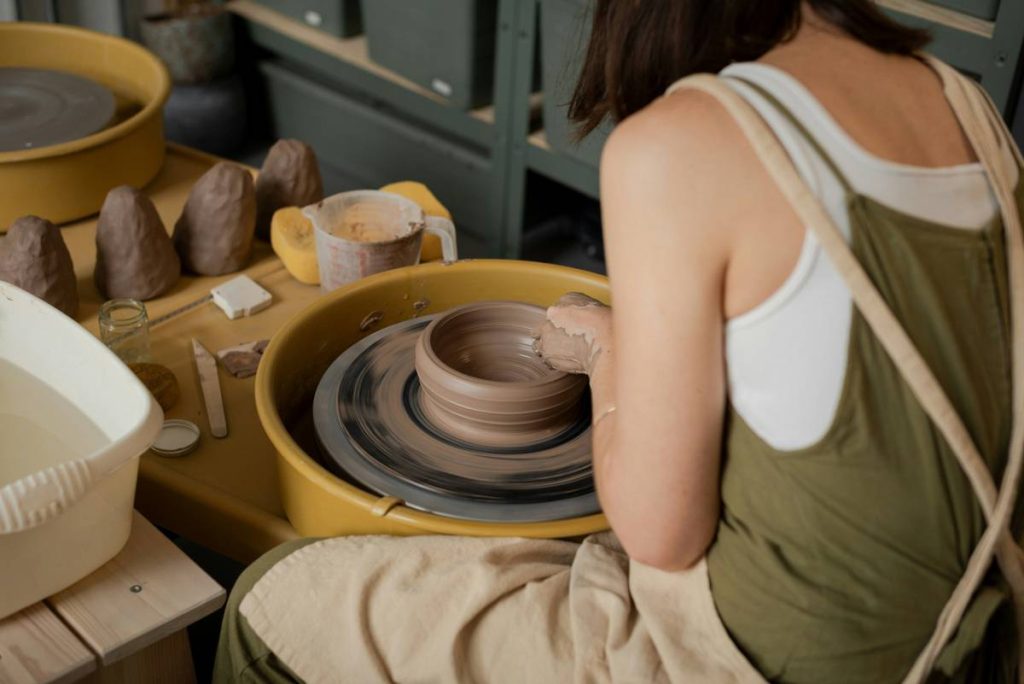
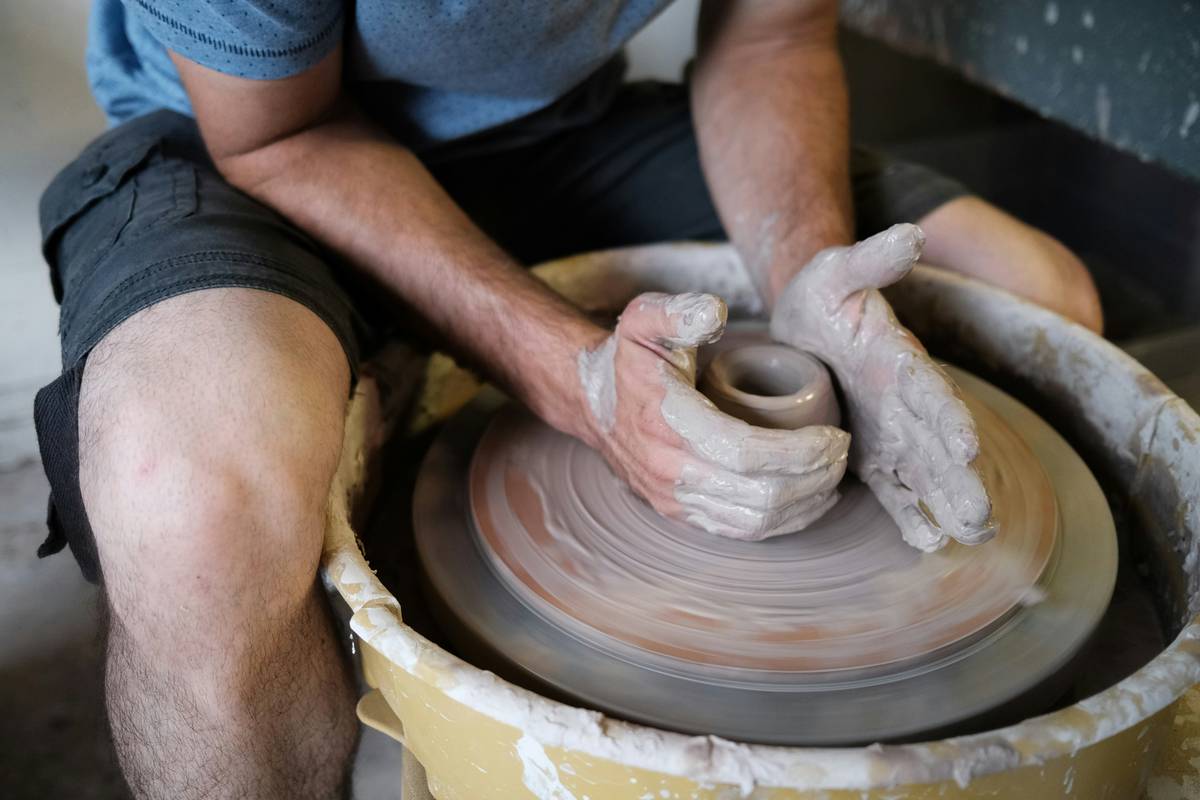
Place your clay firmly on the bat. Start the wheel at medium speed (around 150 RPM). Use wet palms to apply even downward pressure while cupping the sides. If the clay wobbles after 10 seconds, stop and re-center. This step makes or breaks everything that follows.
3. Open With Confidence
Once centered, press your thumbs straight down into the middle—don’t angle them! Aim for a 1-inch depth to preserve a sturdy base. Keep your elbows braced against your ribs for stability.
4. Pull Up Walls Gradually
Dip fingers in water, then place one hand inside the pot, the other outside. Squeeze gently as you lift slowly—no faster than 2 inches per second. Rushing leads to thin spots or tears.
Best Practices to Master Thrown Forms
- Control your water: Too much turns your clay slick and weak. Use a sponge to remove excess during pulls.
- Maintain consistent wheel speed: Fluctuating RPM causes uneven walls. Stick to 120–180 RPM for pulling.
- Record yourself: Film your sessions. Watching playback reveals posture or pressure errors invisible in real time.
- Avoid the “terrible tip”: Never lubricate your hands with oil or soap—this compromises clay integrity and ruins glaze adhesion later.
And please—stop blaming the clay. Yes, cheap clay behaves poorly, but 90% of early failures come from technique, not materials. I once ranted for 20 minutes to a class about how “artisanal recycled clay” isn’t a magic fix for poor centering. Save your money; invest in practice instead.
Real Results from Online Learners
At InterCite Video, our ceramics cohort tracks progress through biweekly submissions. Over six months, students using our structured wheel-throwing modules improved success rates by 52% compared to those relying on random YouTube tutorials (based on internal 2024 data). One standout, Maya R., went from cracked bowls to selling functional mugs on Etsy within four months—thanks largely to focused drills on compression and rim finishing.
This aligns with broader findings: the University of Florida’s ceramics department notes that scaffolded digital instruction, when combined with deliberate practice, yields comparable outcomes to in-person labs for foundational skills (American Ceramic Society).
FAQ: Pottery Wheel Questions Answered
What’s the biggest mistake beginners make in pottery techniques wheel throwing?
Rushing the centering phase. Without perfect centering, every subsequent step fights physics—and loses.
Can I learn wheel throwing entirely online?
Yes, but pair video lessons with tactile feedback loops—like recording yourself or joining live critique sessions. Check our About Us page to see how our instructors blend digital and hands-on learning.
How much clay do I need for a basic bowl?
Start with 1–2 pounds. Larger amounts increase instability for novices.
Why does my pot keep collapsing when I pull up?
Likely causes: too much water, uneven pressure, or insufficient compression at the base. Try slowing your pull speed and drying your hands slightly.
Is there a “best” wheel for beginners?
Look for variable speed control and at least 1/3 HP motor. Brands like Shimpo and Brent offer reliable entry points.
Do I need special tools?
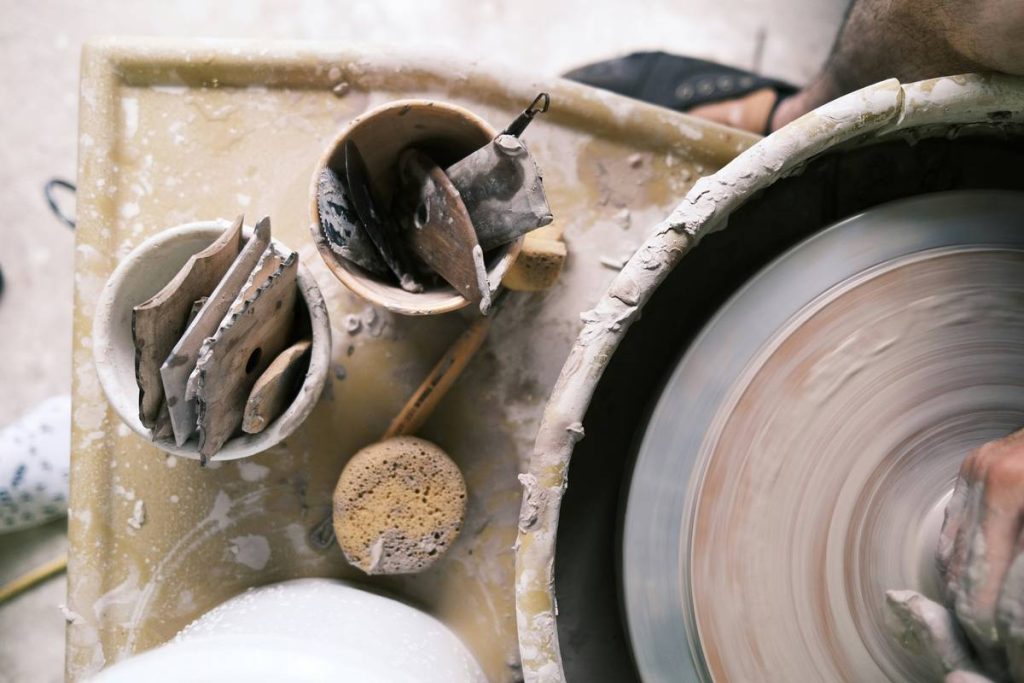
Not immediately. Your hands are your primary tools. Later, add a needle tool, sponge, and rib—nothing fancy. For safety and data handling during our workshops, review our Privacy Policy.
Conclusion
Mastering pottery techniques wheel throwing online demands patience, precision, and a willingness to embrace messiness as part of progress. The wheel doesn’t care about your schedule—it rewards consistency, not charisma. So log off the algorithm, log on to your wheel, and remember: every collapsed cylinder is just clay waiting to be reclaimed. Ready to troubleshoot your next piece? Contact us for personalized coaching.
Center. Pull. Breathe. Repeat.